Four ways I can elevate your story.
Script Consultation & Coverage
Comprehensive page-one analysis of your screenplay, pilot, or treatment. I don't just tell you what isn't working — I show you exactly where the emotional life of your story disappears, and I give you specific, actionable tools to restore it. This is professional-grade coverage that diagnoses what readers feel (and don't feel) on every significant page.
Feature · Pilot · Short · TreatmentOne-on-One Writer Coaching
Sustained, relationship-based engagement over the arc of a project or career. We go beyond the notes on a single draft to address the deeper patterns in your writing — the habits of thought and craft that are limiting what your stories can do emotionally. Sessions are targeted, honest, and designed to produce real transformation in the work.
Ongoing · Project-Based · Career DevelopmentSeminars & Masterclasses
Half-day, full-day, and multi-session workshops built around the core principles of my methodology. I've delivered these for writing conferences, film schools, production companies, and Fortune 500 teams. Whether your group needs a foundational introduction to emotional storytelling or an advanced workshop on specific craft elements, sessions are customized for your context.
In-Person · Virtual · Corporate · AcademicStory Development & Concept Work
Collaborative development at the earliest stages of a project — from premise through outline and treatment. This is where the emotional architecture of a story is built or broken. I help you identify the theme that will give your story its spine, construct characters whose emotional lives are active and specific, and engineer a concept that makes readers feel something before page one.
Concept · Outline · Treatment · Pitch DeckHow emotional impact is engineered.
Every consultation, every coaching session, every workshop I deliver is organized around the same core framework. It is a system — rigorous, teachable, and reproducible. Not inspiration. Engineering.
Before touching structure, we locate the emotional spine of your story. What is the single feeling — not idea, not message, but feeling — that this story should leave in its audience? Theme is not a moral. It is an emotional architecture. We find it, name it, and make it the master criterion for every other decision.
We read your script not as writers, but as professional readers — the same jaded, distracted, looking-for-a-reason-to-pass readers your script will actually face. For each section, we ask: is this producing boredom, interest, or wow? Where does the reader disengage, and why? This diagnostic process is the most honest feedback most writers have ever received about their work.
Great storytelling consistently produces seven core emotional experiences: empathy, tension, curiosity, surprise, humor, wonder, and resonance. For each, there are more than seventy specific, nameable techniques. We identify which emotions your story needs in which moments — and we match them to the right tools. This is craft as palette, not prescription.
Characters produce emotion. Flat characters produce no emotion. We apply over 40 techniques for humanizing characters — making them specific, vulnerable, contradictory, and alive. Then we build scenes with emotional architecture: scenes that move, that turn, that leave the reader changed. Then we sharpen the dialogue until every line has weight, subtext, and personality.
The final pass. We go through the script page by page with a simple question: what color is this page? What is the dominant emotion it is designed to produce — and does it succeed? A script that passes the Emotional Palette Test has a conscious, varied, purposeful emotional arc from first page to last. That is the difference between a script that gets coverage and a script that gets made.
Everyone teaches structure.
I teach what structure can't do.
"Whether your character cries is not as important as whether the reader cries."
— Karl Iglesias, Writing for Emotional Impact
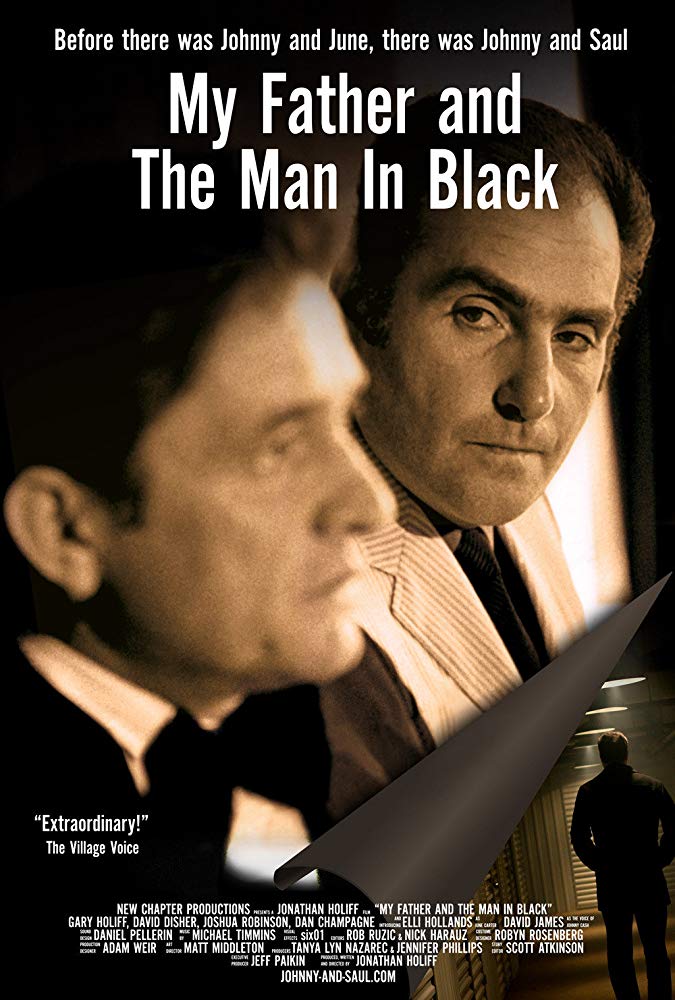
From the writers, producers, and readers who know.
"Like Hank Aaron, you have set the new standard in your field. Aristotle, McKee, and now Iglesias. Writing for Emotional Impact is the book I wish I'd had when I was starting out."
Film Producer
Hollywood Development Executive
"This is the book I give to every writer I work with. It summarizes almost every conversation I have about low-budget scripts — and it does it with more precision than I ever could."
Dark Horse Entertainment
Producer / Development
"Karl's class at UCLA changed how I read scripts — and more importantly, how I write them. The emotional palette framework alone is worth a semester of any other course."
TV Staff Writer
UCLA Extension Alumni
"I've read every screenwriting book in print. This is the only one that lives on my desk rather than my shelf. The most comprehensive and practical discussion of what actually makes dialogue work that I have ever read."
Script Magazine
Industry Review
"The consultation was unlike anything I'd received before. Karl didn't just tell me what wasn't working — he showed me exactly where I lost my reader and gave me specific tools to get them back. My next draft was unrecognizable."
Independent Filmmaker
Feature Development Client
"We hired Karl to run a storytelling workshop for our creative team. The ROI was immediate — our campaign scripts became measurably more engaging. He made our writers think about audience emotion in a way they never had before."
Brand Marketing Director
Fortune 500 Workshop Client
A few of my clients


















Everything you want to know before we work together.
Honest answers about how I work, what to expect, and whether this is right for you.
Writers who are past the basics. If you need help learning three-act structure or proper formatting, there are excellent resources for that — and this isn't it. This consultation is for writers who already know the fundamentals and are wondering why their work still isn't landing. If your scripts are technically competent but emotionally inert, if you've gotten notes that identify problems without solving them, if you sense there's a gap between the story you intend and the story on the page — this is for you.
I read your script as a professional reader would — cold, without the benefit of your pitch or your passion for the project. I produce detailed written notes organized around the emotional experience of reading your script: where the reader engages, where they disengage, and why. Notes are specific and actionable. For each diagnosis, there is a prescription — a concrete technique or set of techniques that address the issue. We then follow up with a one-hour conversation to discuss the notes and answer questions.
Standard coverage tells you what a reader thought. It identifies strengths and weaknesses from the reader's perspective and delivers a recommendation. My consultation tells you what the reader felt — and more importantly, what they should have felt, and why the gap exists. The notes don't just describe problems; they prescribe solutions rooted in specific, learnable techniques. Think of standard coverage as a report card. Think of this as a coaching session with the examiner.
Absolutely. I work with writers, filmmakers, and brands from around the world. The emotional impact methodology transcends cultural context — the principles of empathy, tension, surprise, and resonance operate across all storytelling traditions. Consultations and coaching sessions are conducted remotely via video conference. Seminars and workshops for international clients are arranged individually.
Yes — and this is some of the most rewarding work I do. The emotional engineering principles at the core of my methodology apply equally to any context where the goal is to move an audience. Campaign scripts, brand narratives, executive presentations, conference keynotes — all of these succeed or fail on the same basis as a screenplay: whether they produce a specific emotional response in the people experiencing them. I've delivered workshops for Fortune 500 companies and the methodology translates directly.
Turnaround depends on my current project load. I work with a limited number of clients at any time to ensure that every consultation receives the depth of attention it deserves. Current availability and turnaround times are discussed at the point of inquiry. I don't rush the work — and I don't accept projects I can't do properly.
The books give you the framework. The consultation applies it to your specific work. Most of my consulting clients have read the books — and many say that the consultation was when the framework truly clicked, because they could see exactly how the principles mapped onto the pages they'd written. Knowing the techniques and knowing how to deploy them in your own voice are two different skills. That's what the consultation develops.
I work with feature screenplays, pilots, short films, outlines, treatments, and pitch decks. For brand and corporate clients, I work with scripts, narrative presentations, and brand story documents. If your project involves storytelling — and emotional impact is the goal — I can be useful. Reach out with a brief description of your project and we'll determine the best approach together.
Your story deserves
to make them feel something.
Let's find the emotional core of your work — and build everything else from there. Whether you have a finished script or a half-formed idea, the conversation starts the same way: with what you want your audience to feel.
Availability is limited. Reach out early to discuss your project and current turnaround.